Business Waste Removal in Canary Wharf
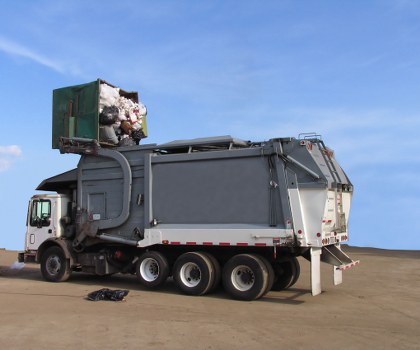
Business waste removal in Canary Wharf needs to suit busy workplaces, tight access and regular commercial routines. We handle the collection and removal of everyday office and trade waste, helping organisations keep work areas clear, maintain orderly storage and deal with unwanted materials in a practical way. The service is centred on commercial waste removal for offices, managed buildings and other business premises, with straightforward arrangements that focus on the items you need taken away.
Our work covers a broad range of general business waste, including office furniture, surplus fixtures, packaging, mixed non-hazardous rubbish and clear-outs linked to refurbishment or relocation. Where items are suitable, we separate them for reuse or recycling as part of the overall removal process. Clear descriptions of what needs collecting help us plan the job well, particularly when access is limited or the materials are bulky.
For straightforward planning, it helps to note the type of waste, the floor level, any lift restrictions and whether the collection is part of a wider office change. If you already know that some items are confidential, heavy or dismantling will be required, mention that early so the collection can be organised properly. You can also use the contact route later on this page to request a quotation when you are ready.
Office Waste Collections and Clear-Outs
Office waste collections in Canary Wharf often involve more than one kind of item, so the service is best approached in a structured way. Desks, chairs, filing units, cupboards, screens and general rubbish may all be removed together, but they can call for different handling once they are loaded. We organise collections so that the more awkward pieces are dealt with safely and the remaining material is cleared efficiently.
In many offices, a clear-out follows a change in layout, a department move or the end of a lease. At that point, it is useful to sort items into what stays, what is reused internally and what should be removed. Our office clearance service is suitable where a fuller sweep of the workspace is needed, while smaller removals can be handled as part of a more targeted collection. Practical organisation matters because it reduces disruption and makes loading safer.
When waste is mixed, we aim to keep the process sensible and orderly rather than treating everything as the same material. Paper, cardboard, plastics and reusable office equipment are best separated from general refuse where possible, because that supports better handling afterwards. If your workplace needs a regular or one-off arrangement, the main decision is usually whether you want a simple collection of surplus items or a broader clearance of the area.
Furniture, Fixtures and Large Items
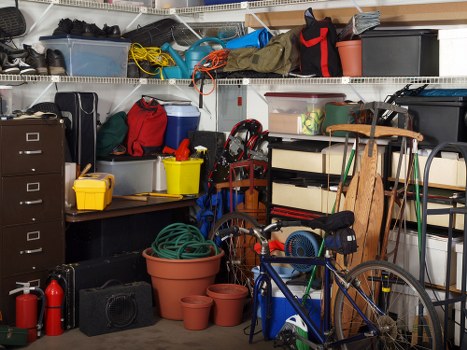
Many commercial collections in Canary Wharf centre on furniture and fixed items that are no longer required. Desks, meeting tables, reception furniture, storage units and similar items can take up a large amount of room even when only a few pieces are involved. We remove these items carefully so they are taken out of the premises without creating unnecessary disruption to staff or visitors.
Where furniture is still usable, it may be more sensible to separate it from general waste before removal. Our furniture clearance page covers the removal of loose items that need to be cleared together, while our furniture disposal page is relevant where unwanted pieces are being taken away for onward processing. The most suitable option depends on how much is being removed and whether the job is part of a move, refresh or declutter.
Large items can require dismantling, careful carrying or route planning through the building. That is why it helps to think about door widths, stair access, loading points and the size of the furniture before asking for a quotation. If you know an item is awkward, heavy or built in, describe it clearly so the removal can be prepared with the right equipment and time in mind.
Documents, Equipment and Confidential Material
Business waste is not only about bulky objects. Workplaces also generate paperwork, old files, out-of-date printers, monitors and other equipment that needs a considered approach. Our service can support clear-outs involving mixed office materials, provided the items fall within the agreed scope and are handled as non-hazardous business waste. The aim is to remove what the business no longer needs without leaving loose material behind.
If paper records or confidential material are part of the job, it is sensible to keep them separate from general waste and mention them early. Our confidential shredding page is useful where secure destruction is the primary need, while broader office removals may combine paper disposal with furniture or equipment collection. Separating sensitive material at the start helps keep the process controlled and easier to manage.
Computer hardware and electrical items should also be identified in advance if they are included in the load, because equipment can need different handling from ordinary rubbish. Clear information about the number of items, whether anything is boxed and whether anything remains connected can make the quotation more accurate. The more specific the list, the easier it is to match the collection to the actual work involved.
Why Canary Wharf Workplaces Choose a Structured Removal

Commercial premises in Canary Wharf often work to tight schedules, so a structured waste collection is usually preferable to an improvised clear-out. When waste is grouped by type and location, it is easier to remove it with less interruption to normal activity. That matters in offices, shared buildings and managed spaces where access routes, reception areas and service lifts all need to be respected.
Some jobs are best broken into smaller stages, especially where a premises has several teams, floors or storage rooms. A staged approach can suit ongoing changes, while a single visit is often better when the main aim is to clear one defined area. Our business waste removal service is the main option for workplace and commercial collections, and our waste removal page covers the wider category of general non-hazardous loads. Choosing the right scope keeps the work focused.
When you request a quotation, it helps to include the main type of business waste, the volume involved and any access limits. Photographs can be useful where items are bulky, stacked or stored in more than one room, but a written summary is still important because it explains what the images do not show. If the collection includes dismantling, lifting or a longer route through the building, that should be mentioned in the first message.
Recycling and Responsible Handling
Where possible, business waste should be sorted so that recyclable materials are separated from general rubbish. Cardboard, paper, some plastics, metal items and some office equipment may be suitable for further processing, depending on condition and composition. The practical aim is to remove the waste efficiently while avoiding unnecessary disposal of items that can still be diverted appropriately.
We work with the kinds of materials commonly produced by offices and commercial premises, and our recycling and sustainability page gives a fuller overview of how recycled streams are considered across the service. That does not mean every item can be recycled, and it is important to be realistic about contamination, breakage and mixed loads. The right approach is to treat the collection as a managed process, not simply a bin emptying exercise.
For businesses that regularly replace equipment or furniture, it can be useful to think ahead about how new deliveries and outgoing waste will be separated on the day. Clear access to the items being removed helps, as does deciding in advance whether anything should be retained for another site or department. A small amount of preparation usually makes the collection simpler without creating extra work for your staff.
Pricing Factors and Quotations

The quotation for business waste removal depends on the amount of material, the type of items, access conditions and the time needed to complete the work. A single room of mixed office waste is very different from a multi-floor clear-out involving furniture, files and equipment. That is why we look at the overall shape of the job rather than applying a one-size-fits-all approach.
Our pricing and quotes page is the best place to review the information that usually supports a quotation request. Useful details include the approximate quantity, whether items are loose or stacked, and whether any dismantling is needed before removal. Accuracy matters because it helps match the collection to the amount of labour and handling involved, which is more useful than guessing from a brief description alone.
If you are arranging several related removals, it is worth grouping them together where that is practical. For example, office furniture, packaging waste and unwanted fixtures can sometimes be collected in one visit if they are ready at the same time. A tidy, specific request usually leads to a clearer response, and it makes it easier to decide whether a simple collection or a broader clearance is the better fit.
About Canary Wharf
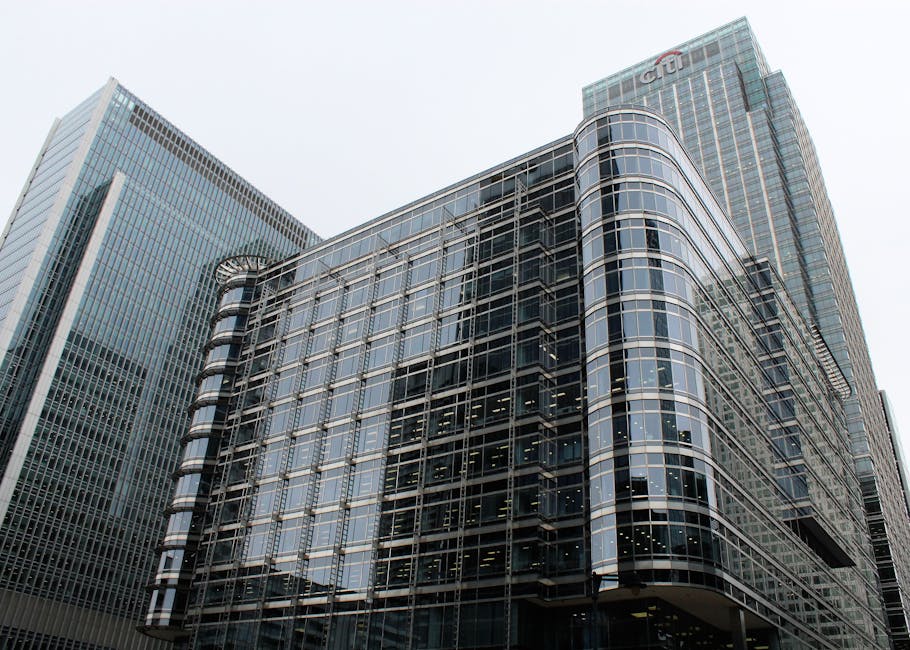
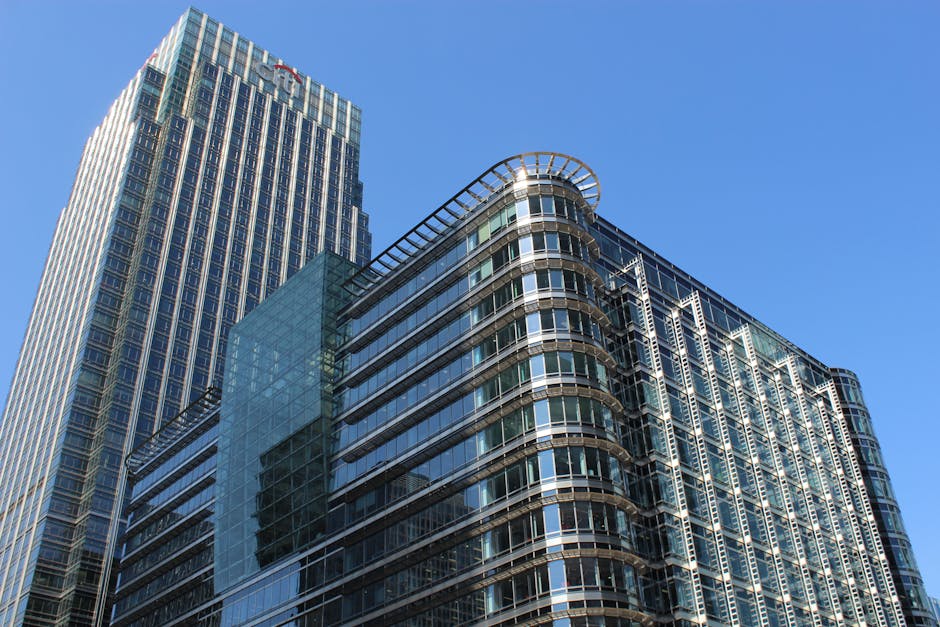
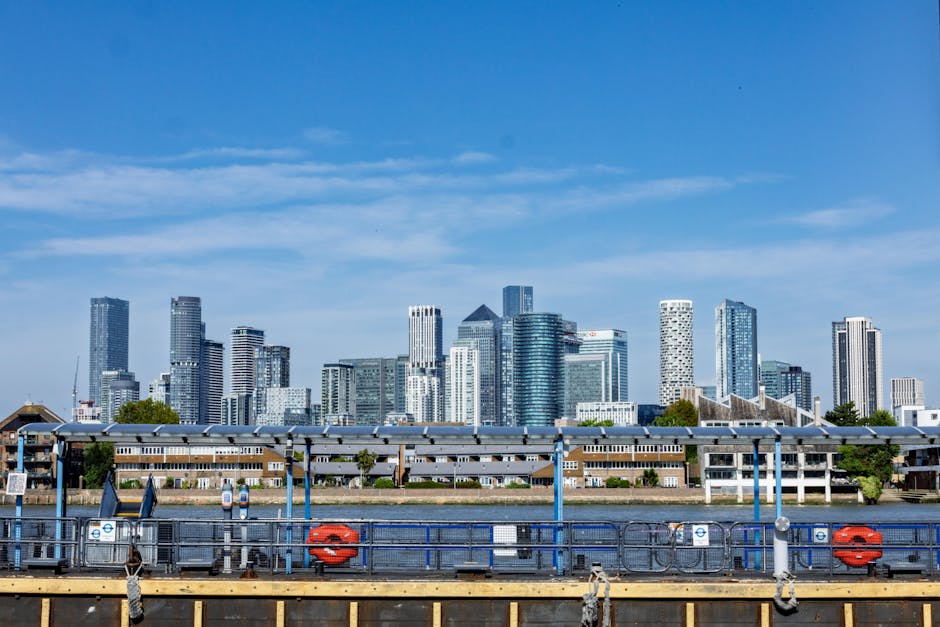
Canary Wharf is a major business district in the London Borough of Tower Hamlets, on the Isle of Dogs in East London. Its modern identity is tied to the redevelopment of former docklands, especially the docks once known as West India Docks, which were transformed during the late twentieth century into a dense commercial quarter. The area is best known for its tall office towers, public squares, waterside walkways and transport links, but it also contains traces of the dockland geography that pre-dates the current skyline. The location sits beside the River Thames and near Blackwall and Poplar, with the Docklands Light Railway, Jubilee line and Elizabeth line forming part of its wider transport framework. Cabot Square is one of the best-known public spaces in the district, while Canada Square and the surrounding estate reinforce the planned, corporate character of the area. The architecture is largely modern, with glass-fronted towers, shopping and leisure space, and a network of pedestrian routes that connect plazas, underground levels and dock edges. Despite its commercial focus, the district includes landscaped open areas, sheltered passages and waterside views that reflect both its maritime past and its present role as a managed urban centre.
Commercial Waste for Different Workplace Changes
Not every removal is tied to a full relocation. Some businesses simply need waste taken away after a refurb, a delivery of new furniture or the end of a contract with a particular item. In those cases, the work may involve a mix of leftover packing, broken fittings and outdated equipment rather than a complete clear-out. A focused collection keeps the process manageable and avoids leaving a backlog behind.
Where premises are being reconfigured, a collection can support the change by removing what no longer fits the space. This may include desks, partitions, chairs, reception pieces or storage units that have been replaced by a new layout. Our builders waste clearance page is relevant when the waste includes refurbishment debris, while more general commercial loads belong with the business waste service itself. Matching the page to the actual waste makes the request clearer.
Some customers need a simple collection of a few specific items, while others need a larger clearance after several departments have sorted out what to keep. Either way, it helps to identify what is ready to go, what remains in use and what may still need dismantling or packing. That gives a more realistic picture of the work and helps avoid confusion later in the process.
Hazardous or Special Items
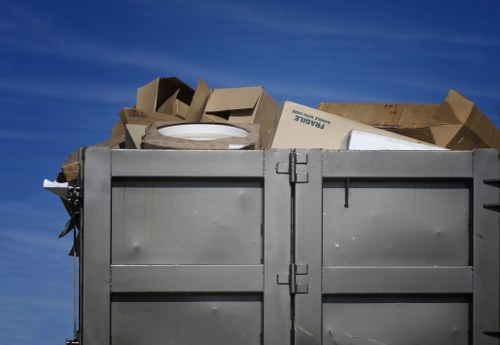
Most business waste removal work involves ordinary non-hazardous commercial materials, but there are limits to what can be included in a standard collection. Certain substances, contaminated items or specialist waste streams may need a separate approach. That is why it is important to distinguish between general office rubbish and items that require dedicated handling or a different type of disposal route.
Our hazardous waste disposal page is the correct place for waste that falls outside a normal business collection. Similar caution applies to fridges, appliances and other items that do not belong in a general load without being identified first. If you are unsure whether something qualifies as ordinary commercial waste, it is better to describe it clearly than to leave it unmentioned.
When items are unusual, mixed or uncertain, a careful description helps decide whether the business waste service is suitable. That may include notes about condition, contents, connections or any warning labels on the item. A short list of the specific materials is usually more useful than a broad label, because it helps keep the collection safe, lawful and appropriately arranged.
Preparing a Useful Enquiry
To request a quotation, start with the basic facts: what needs removing, roughly how much there is and where it is located in the building. If the job involves multiple rooms, mixed office materials or any heavy items, mention that in the first message. This makes it easier to assess the work without repeating the same questions later, and it usually leads to a more relevant response.
You do not need to create a long inventory, but a short, orderly summary is useful. If photographs help, include them alongside the written details rather than instead of them. Access information such as lifts, stairs, loading areas and any building rules can also be helpful, because it affects how the collection is approached and whether extra handling will be needed on the day.
When you are ready, request a quotation through the contact page and we will review the information against the kind of business waste removal you need in Canary Wharf. If the job has a wider scope, a fuller office or furniture clearance may be more suitable, but the first step is still to set out the items clearly and choose the right point of contact.